
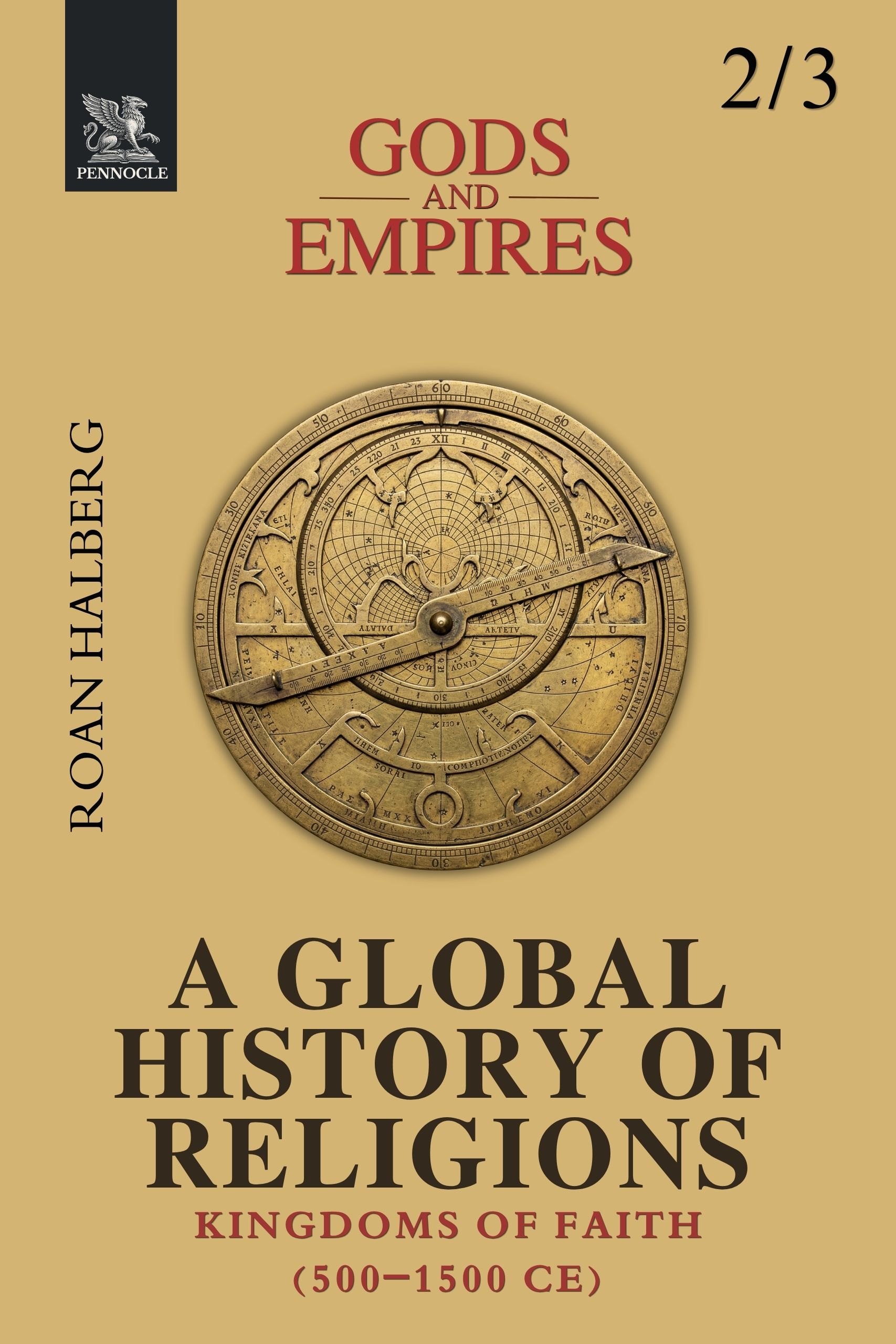
For a thousand years, religion and civilization were the same project.
The state was organized around faith. The law derived from scripture. The largest buildings ever constructed were temples, mosques, and cathedrals. The most sophisticated intellectuals of the age were theologians. The most dangerous political question was not who should govern, but which interpretation of God’s will should govern.
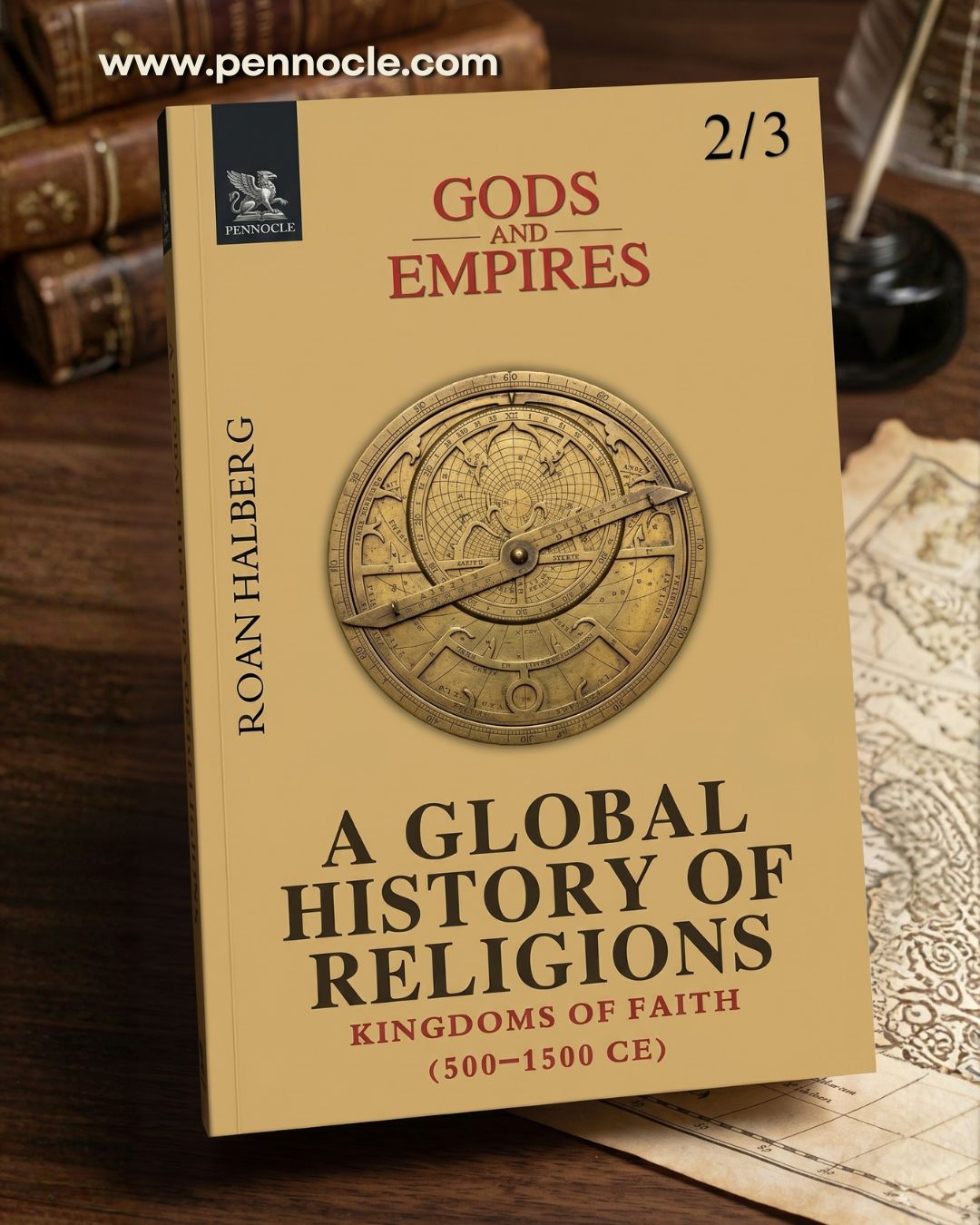
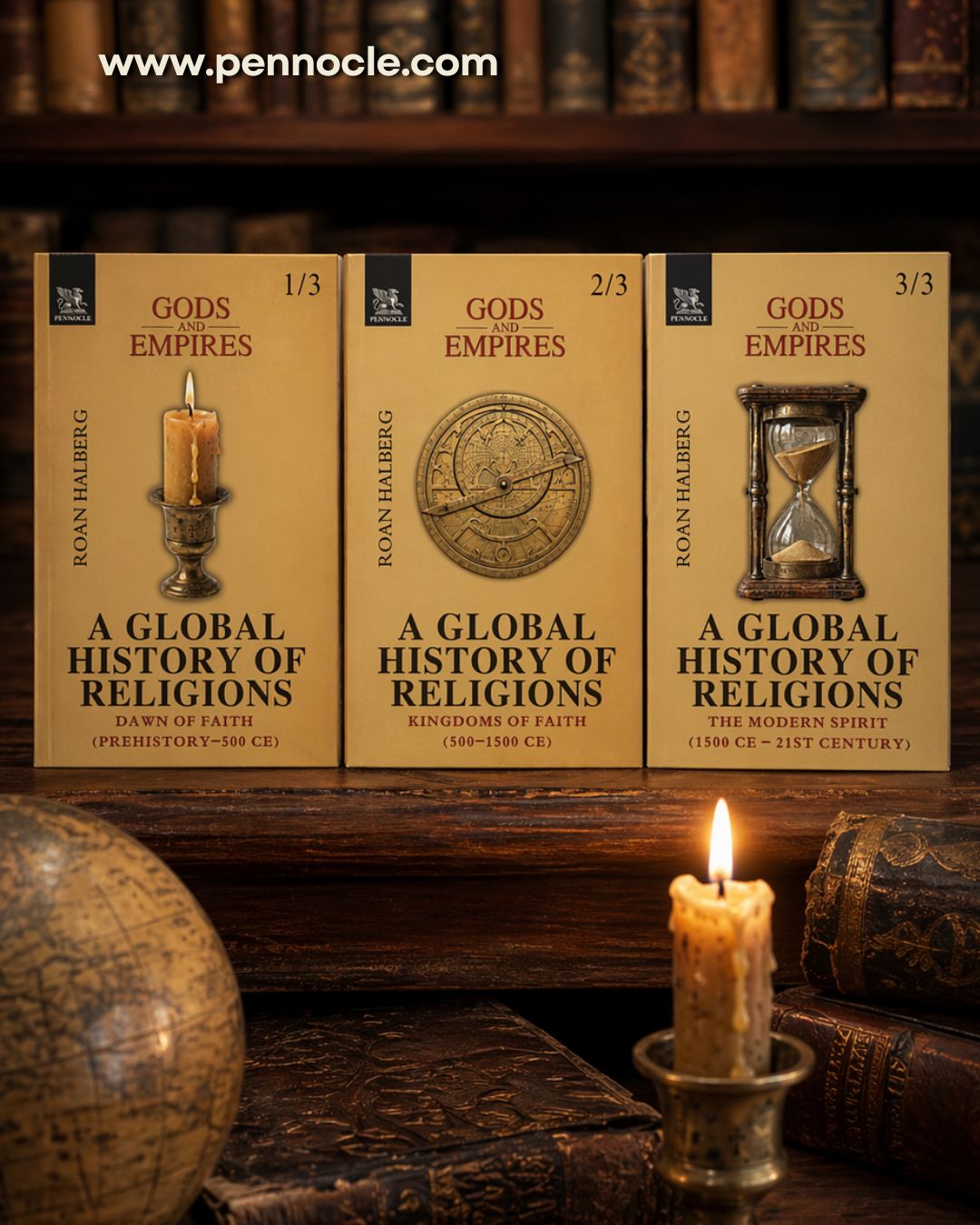
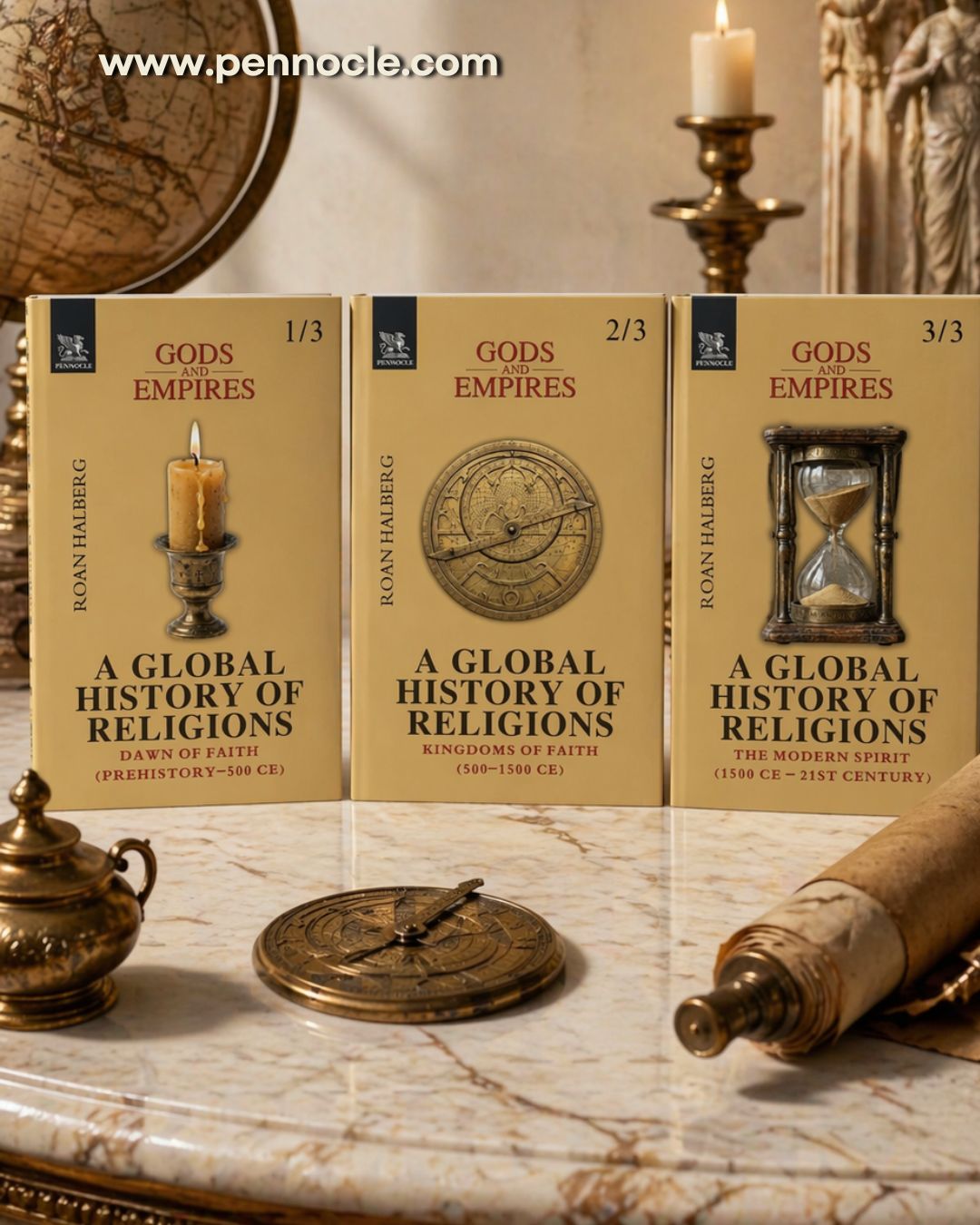
Volume II of GODS AND EMPIRES covers that millennium in full.
It begins in seventh-century Arabia, where a merchant named Muhammad received what Islamic tradition describes as the first of many revelations, and traces the extraordinary century that followed — in which a new faith spread from the Arabian Peninsula to Spain in the west and the borders of China in the east, raising questions about how to govern an empire that continues to divide the Islamic world today. It covers the Sunni-Shia split in the full weight of its origins: seventy-two men dying at Karbala in 680 CE, and one wound that 1.4 billion people still carry.
It covers Baghdad at its height — arguably the most intellectually alive city on earth in the ninth century — and the Islamic philosophical tradition that preserved, challenged, and transformed the Greek intellectual inheritance. It traces Byzantine Christianity’s distinct theological world, shaped by gold mosaic and fierce controversy over sacred images. It follows Western Christianity through Charlemagne, the first Gothic cathedrals, Thomas Aquinas, Francis of Assisi, and the catastrophic fourteenth century when the Black Death killed a third of Europe and no theological explanation proved adequate.
Alongside these familiar narratives, the volume reaches further: Buddhism’s complex transplantation into China, Japan, and Tibet; Hinduism’s devotional revolution that moved faith from Sanskrit temples to vernacular love poetry; the emergence of Kabbalah in medieval Jewish mysticism; and the birth of Sikhism in Punjab’s crowded religious landscape. It closes with the Ottoman Empire’s conquest of Constantinople in 1453 — the end of the Roman Empire after eleven centuries — and a Europe trembling on the threshold of upheaval.
Each tradition receives its full complexity, including its shadow: Crusader massacres, inquisitions, religious persecution, and the long history of Christian antisemitism that would have consequences far into the modern era.
A millennium in which faith built everything — and sometimes burned it down.