
The Arthashastra, written in India around 300 BCE, contains detailed instructions for nine distinct cover identities for female intelligence operatives — courtesans, ascetics, widows, merchants’ wives, poisoners — with specific operational protocols for each. It is more comprehensive than anything Western intelligence agencies would produce on the same subject for another two thousand years.
This is not an accident. It is a pattern.
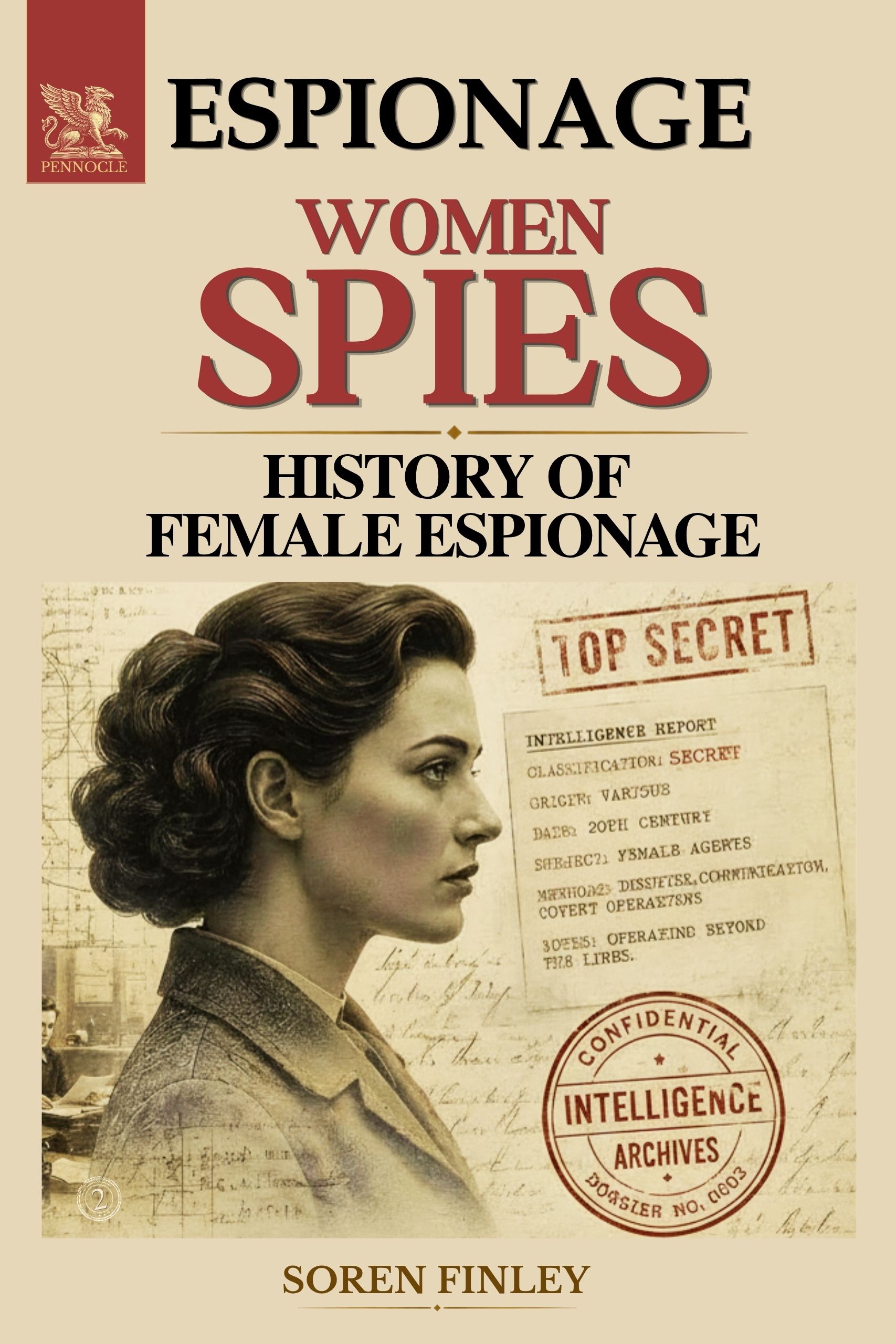
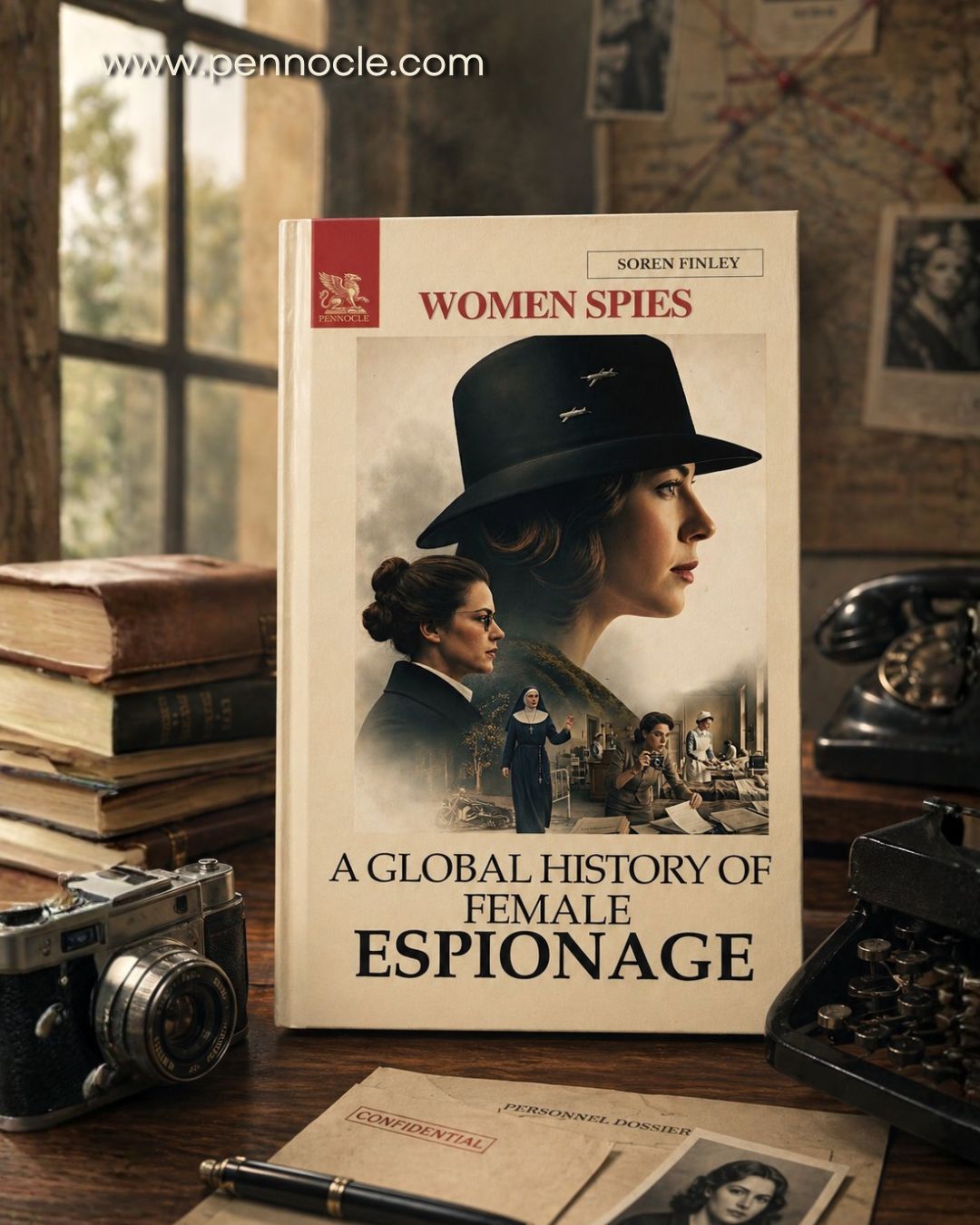
Women Spies: Untold Stories from Three Thousand Years of Espionage traces a single intelligence insight across every major civilisation on earth: that women could go where men could not, hear what men assumed was private, and remain invisible in ways no professional operative could replicate. Ancient India codified this in doctrine. China formalised it in strategic canon. Aristotle theorised it. The Ottoman Empire institutionalised it. In the twentieth century, Western intelligence services discovered — repeatedly, at enormous cost — that they had never solved the defence problem the ancients had already identified.
What makes this history surprising is not that women spied. It is how they spied, and how long they got away with it.
A Soviet GRU colonel spent decades as a housewife in the English Cotswolds. MI5 interviewed her twice and found nothing. She died at ninety-three, never charged, never caught. A Russian folk singer who had performed for Nicholas II, with Rachmaninoff at the piano, became an OGPU agent who helped kidnap a White Russian general in the streets of Paris. A Filipino woman turned her leprosy into an operational asset: Japanese soldiers physically recoiled at checkpoints rather than risk contact. The analyst who handled the most damaging Soviet penetration of American nuclear secrets passed intelligence for thirty-seven years before British intelligence identified her — then watched her for three more before acting.
Women Spies organises this history the way it actually works — not chronologically, but thematically. Each chapter examines one cover identity across the full sweep of history: the courtesan, the seamstress, the nurse, the housewife, the secretary, the performer, the soldier. Moving from ancient examples to modern ones within each chapter, the book reveals a pattern that no chronological account could capture: not evolution, but convergence. Every civilisation arrived at the same conclusion independently.
The book also asks the harder question: why did the defence always fail? The answer lies in how counterintelligence profiles were constructed — built from studying those who were caught, which systematically excluded those who were not. The blind spot was structural. And for three thousand years, it held.